March 2026 Recap: Personal AI, Autonomous Systems, and the Rise of the AI Economy
March 2026 marked a significant acceleration in how artificial intelligence is being applied across industries, economies, and everyday life. Across the Dectec ecosystem, partner updates reflected a clear shift from AI as a tool toward AI as infrastructure—powering autonomous systems, enabling new financial models, and redefining how individuals interact with and benefit from intelligence. The conversation increasingly centered on ownership, execution, and participation in the emerging AI economy.
CHAINGE
(At Dectec, we produce media for the CHAINGE channel, exploring how AI is reshaping industries and empowering individuals.)


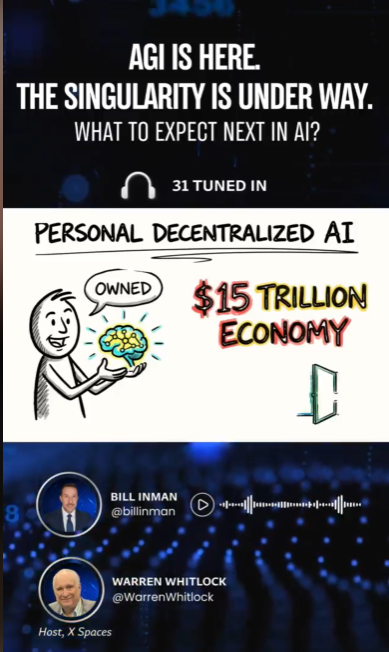



March content from CHAINGE highlighted a major shift toward AI-powered economies, autonomous agents, and personal AI ownership, with a strong emphasis on how individuals can participate in this transformation. A recurring theme was the rise of AI agents and AI-to-AI systems, from trading bots that now give retail investors institutional-level automation capabilities to predictions that AI agents could drivemulti-quadrillion-dollar payment systems through crypto and decentralized finance. These developments were reinforced by discussions around AI-to-AI transactions and decentralized AI economies, where individuals own their AI and participate directly in value creation rather than relying on centralized platforms.
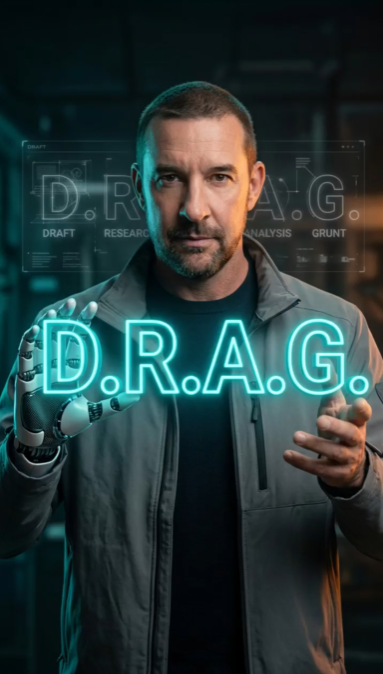
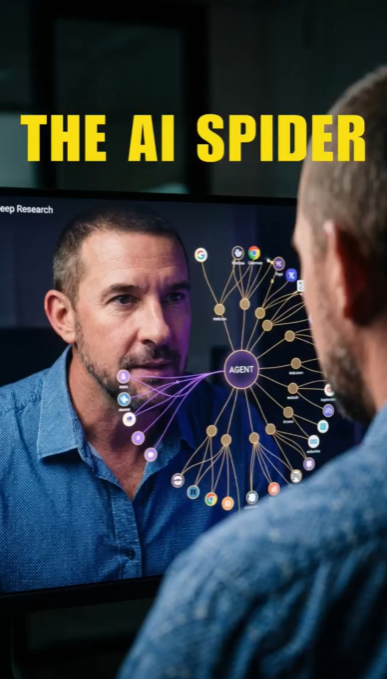
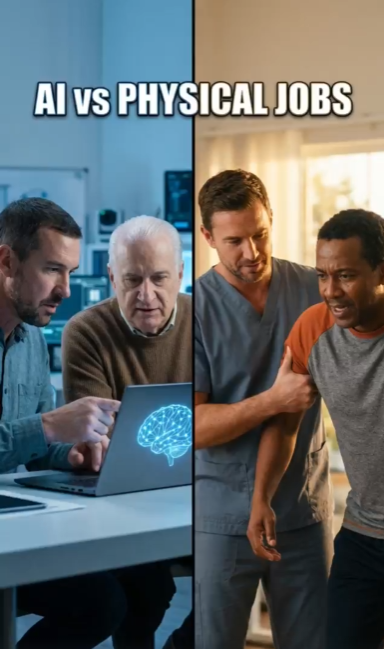
At the same time, CHAINGE explored how AI is transforming the future of work and productivity, with frameworks like delegating drafting, research, and analysis to AI so individuals can focus on deeper, high-value thinking. Advanced tools capable of compressing weeks of research into minutes further highlighted how AI is shifting human roles from execution to decision-making, while broader discussions emphasized that reskilling and AI adoption will define financial outcomes and lifestyle quality in the coming years.
March also expanded into macro and future-facing perspectives, including the rapid acceleration toward AGI and the singularity , the growing role of AI and robotics in global competition and economic stability, and even long-term visions of AI-enabled space infrastructure and interplanetary expansion. At the same time, CHAINGE balanced this forward momentum with reflections on human authenticity, connection, and empathy, reinforcing that while AI capabilities are advancing rapidly, human judgment and relationships remain essential.
Overall, March positioned CHAINGE at the intersection of AI innovation, financial transformation, and human adaptation, reinforcing a clear message: the future will be shaped not just by AI capability, but by who adopts it, owns it, and uses it to create value.-*
Twin Protocol
(Building decentralized AI infrastructure that protects identity, knowledge, and ownership.)
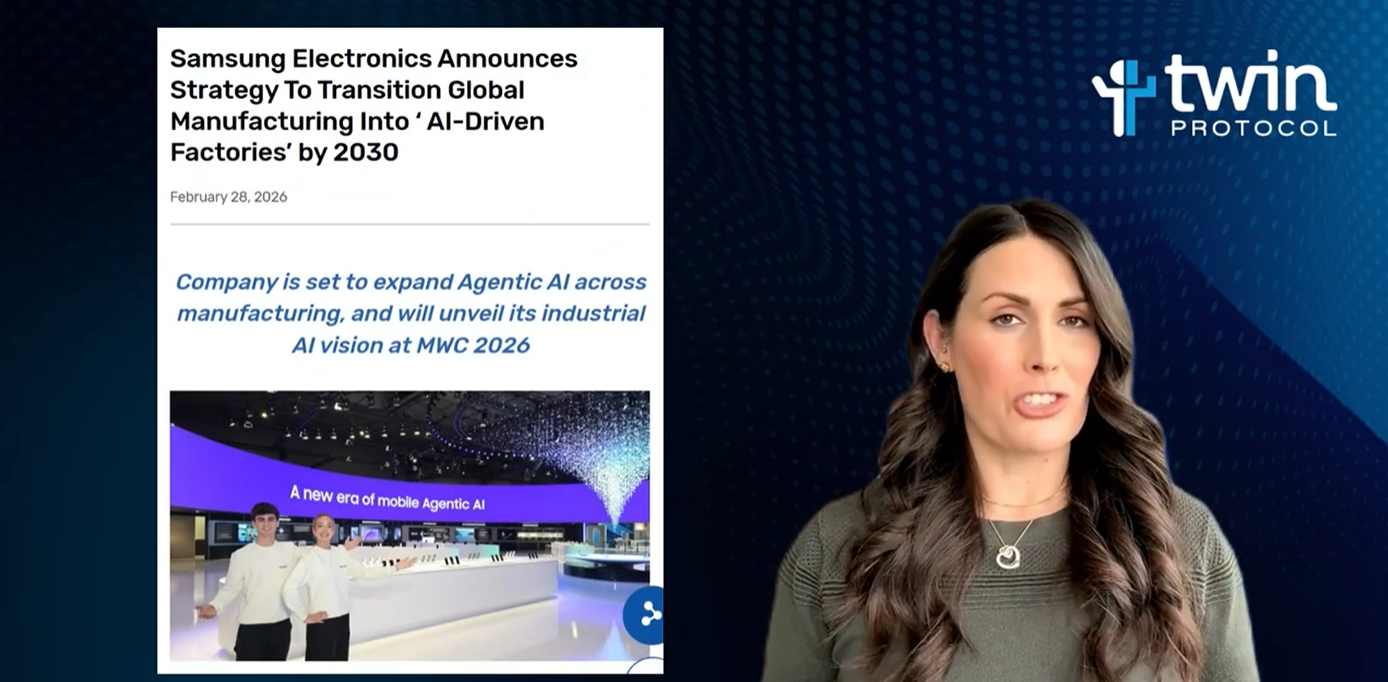
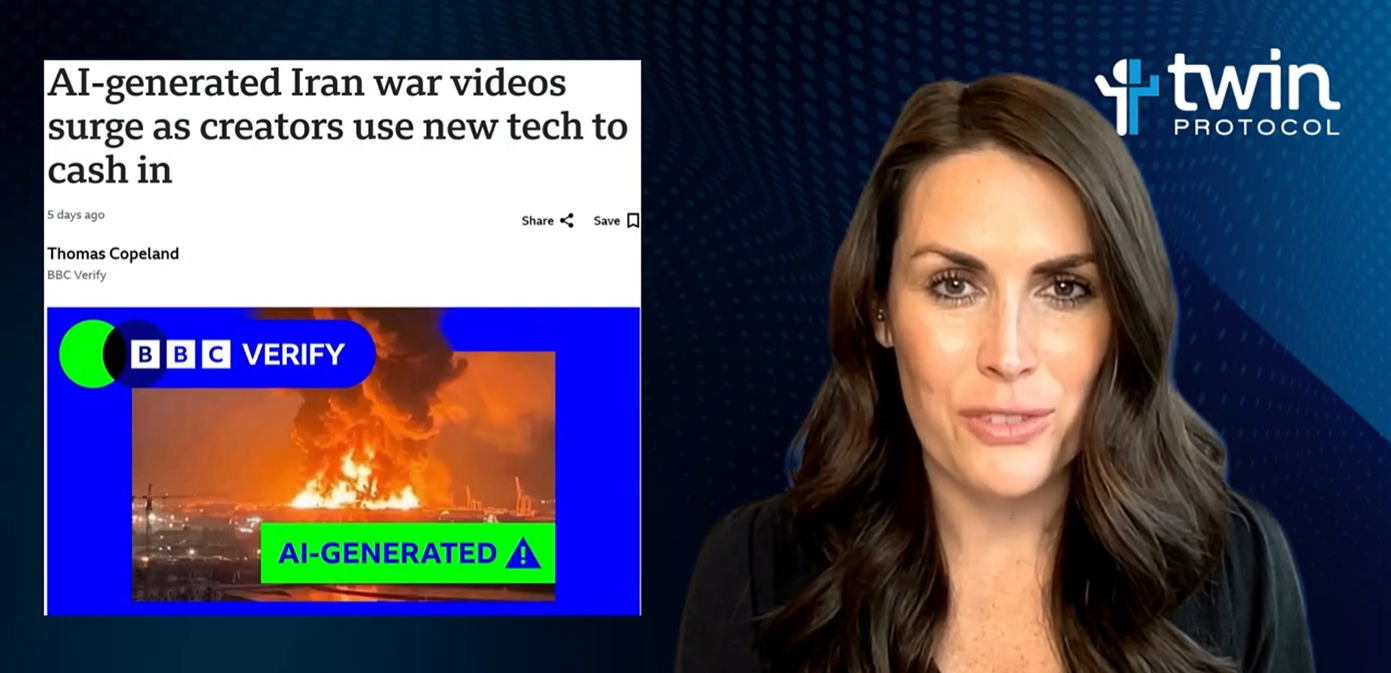
Twin Protocol’s March updates focused on how AI is rapidly embedding itself across infrastructure, governance, and global systems, while raising critical questions around responsibility and control. Across multiple weekly updates, the platform highlighted how AI is expanding beyond software into physical systems and economies, from Samsung’s vision of AI-driven factories to debates around AI’s potential impact on labor markets and economic stability. At the same time, discussions surfaced the growing influence of AI across media and information systems, including concerns around algorithm-driven content, misinformation, and the long-term cognitive effects of AI-generated media.
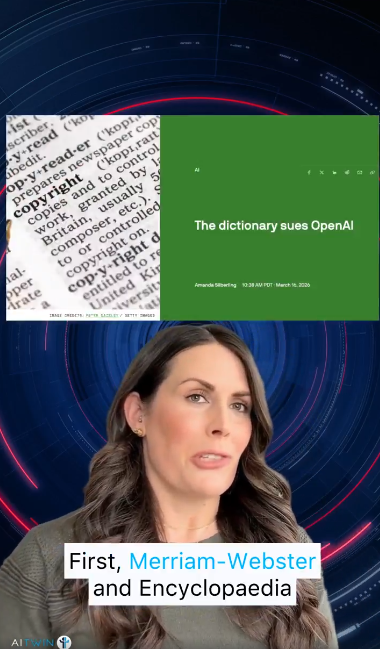

March also emphasized the increasing tension between AI capability and accountability, with headlines covering disputes over training data ownership, platform responsibility, and the economics of generative AI. These challenges extended into financial systems, where AI-driven payments and agent-based transactions are beginning to reshape how value moves globally, while also introducing new questions about control and cost distribution. Alongside these developments, Twin Protocol continued to highlight the importance of inclusive leadership and representation in AI, reinforcing that as intelligence scales globally, access and participation must evolve alongside it.
Overall, March positioned Twin Protocol at the center of conversations around AI governance, economic impact, and responsible deployment, reinforcing a consistent message: as intelligence becomes embedded in the systems that shape society, ownership, accountability, and human intent must remain foundational.
Angel Twin (ANGL Token)
(Powering the ecosystem behind personal AI and decentralized intelligence.)
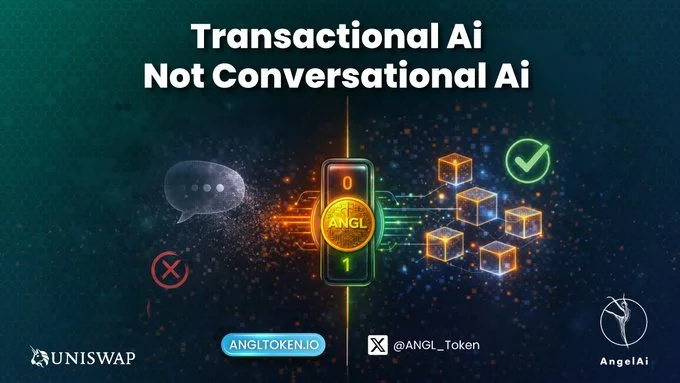
March updates from Angel Twin, through $ANGL Token activity, focused on the rapid evolution of personal AI ownership, real-world utility, and execution-driven intelligence. A consistent message throughout the month emphasized the distinction between centralized AI models and personal AI twins built to serve the individual, trained on unique knowledge, communication styles, and decision-making patterns. Rather than focusing solely on conversational AI, $ANGL highlighted a shift toward transactional AI systems that complete tasks, automate workflows, and generate real outcomes, from managing communications to powering business operations. This approach is supported by a broader infrastructure where $ANGL acts as the underlying fuel for an ecosystem that combines AI, blockchain, and tokenized value exchange, enabling users to not only interact with AI but actively participate in the AI economy.
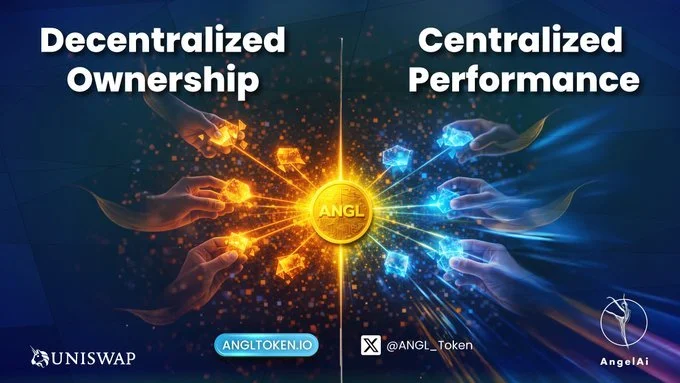

The updates also reinforced a strong focus on real-world financial utility, positioning Angel AI and Angel Twin as gateways into AI-powered finance, including credit improvement, mortgage access, and onboarding new users into blockchain-based systems. Unlike traditional token models, $ANGL emphasized practical adoption—bringing everyday users into AI and Web3 through accessible tools and clear use cases rather than speculation. At the same time, messaging consistently highlighted that data ownership and decentralization are foundational, ensuring that users retain control over their intelligence while benefiting from AI-driven automation.
Overall, March positioned Angel Twin and $ANGL at the intersection of personal AI, decentralized infrastructure, and financial empowerment, reinforcing a clear direction: the future of AI is not just about smarter systems, but about individuals owning, powering, and monetizing their intelligence.
March 2026 made one thing increasingly clear: the future of AI is not being built in silos—it is being shaped through connected ecosystems that span infrastructure, applications, and real-world utility. Across CHAINGE, Twin Protocol, and Angel Twin, a common thread emerged around ownership, execution, and participation in the AI economy. At the center of this is Dectec, bringing these layers together—from media and education to decentralized infrastructure and user-facing applications—into a cohesive vision for personal, decentralized AI. As intelligence becomes more embedded in everyday systems, Dectec’s role in aligning innovation with accessibility and real-world impact will continue to define how individuals not only use AI, but truly benefit from it.