The Dectec Download: Weekly Insights from the Dectec Ecosystem (June 21 - June 27)
Artificial intelligence continued moving from passive assistance into active systems that can execute tasks, learn from real usage, collaborate across networks, and create measurable economic value. Across the Dectec ecosystem this week, partner updates focused on agentic AI in mortgage workflows, data ownership in the AI economy, personal AI training, trusted decision-making, AI-to-AI collaboration, and user-controlled digital assets. The broader theme was clear: the future of AI will be shaped by systems that do more than answer questions. They will act, remember, transact, and create value on behalf of the people who own and direct them.
CHAINGE
At Dectec, we produce media for the CHAINGE channel, covering AI innovation, decentralized infrastructure, entrepreneurship, and the future of human-AI interaction.
CHAINGE’s June 21–27 updates focused on agentic AI, data ownership, personal AI training, mortgage workflow automation, and the next phase of quantum computing. In a podcast conversation with Chuck La Flair, AVP at All In Lending, Bill Inman discussed how agentic AI can support mortgage teams by handling ongoing tasks, creating more capacity, and helping people get more done without adding more human workload.
The week also emphasized the importance of data ownership in the AI economy. In a conversation with Dr. Adel Elmessiry, Bill Inman explored why data ownership will become increasingly important as the data people create, contribute, and share becomes more valuable for AI learning. The discussion reinforced the need to protect personal and professional data so individuals can benefit from it instead of giving it away for free.
CHAINGE continued the agentic AI conversation through another discussion with Chuck La Flair, where Bill Inman explored how AI agents can help mortgage teams scale by supporting administrative work, pricing, reminders, problem-solving, and repetitive tasks. This positioned AI agents as practical tools that can help loan officers and support teams move faster, save time, and focus on higher-value work.
Personal AI training was another major theme. In a podcast conversation with Stacey Engle, CEO of Twin Protocol, Bill Inman discussed what people should use to train their AI Twin, with Stacey explaining that a strong AI Twin should learn more than facts. Instead, it should understand defining moments, lessons, challenges, strengths, and meaningful work products that reveal how a person thinks, leads, and creates value.
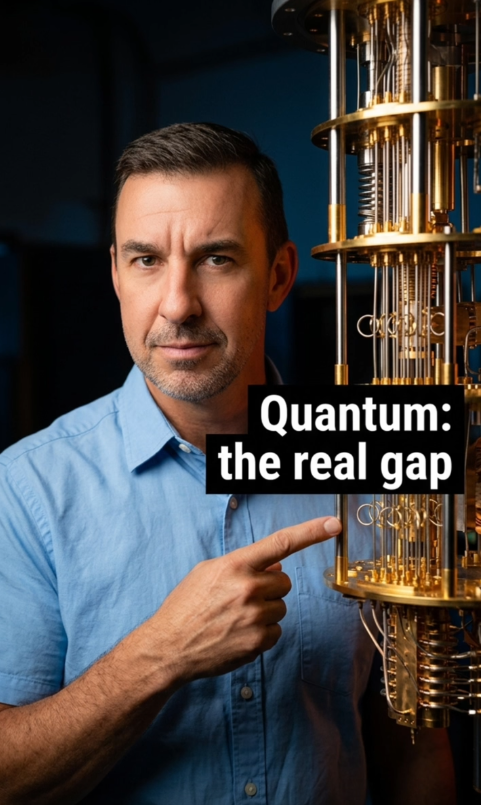
Finally, CHAINGE looked ahead to the future of computing as Bill Inman’s AI Twin responded to Silicon Valley Girl’s conversation with Nobel Prize-winning physicist and Qolab co-founder John Martinis. The reaction explored why quantum computing’s future may depend on better hardware, smarter algorithms, and machines that can truly scale, connecting quantum innovation to the broader future of AI, infrastructure, and technological progress.
Angel Twin
Angel Twin represents the application layer of personal AI, helping individuals and businesses create, own, and scale AI Twins that extend their presence, decision-making, and economic participation.
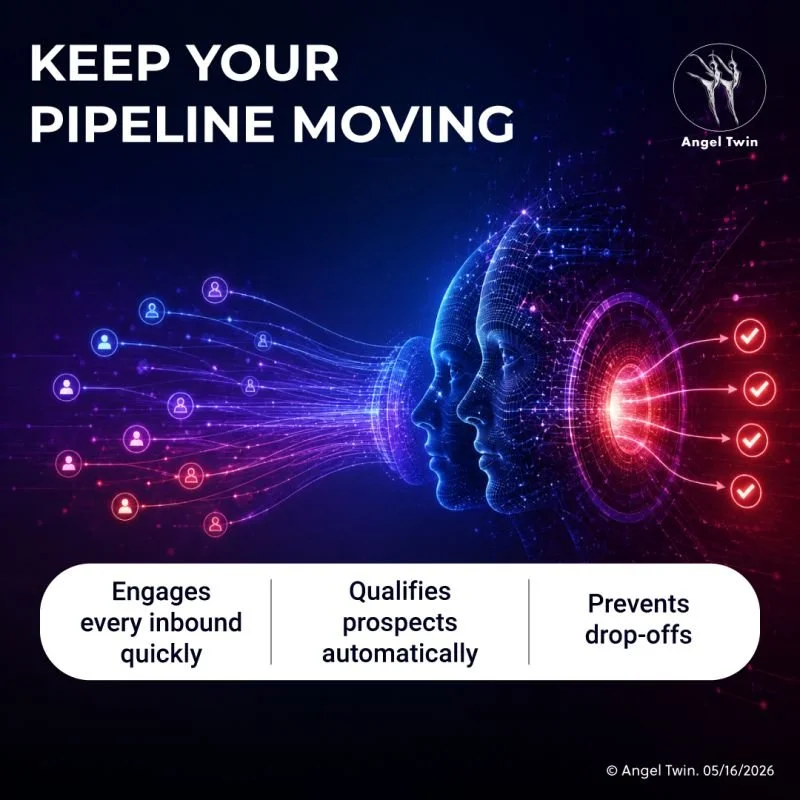
Angel Twin’s June 21–27 updates focused on instant engagement, trusted decision-making, digital replication, daily AI utility, and economic participation. The platform emphasized that leads do not convert later; they convert in the moment, showing how an Angel Twin can respond instantly while intent is high to keep interest alive, reduce drop-offs, and maintain continuous momentum.
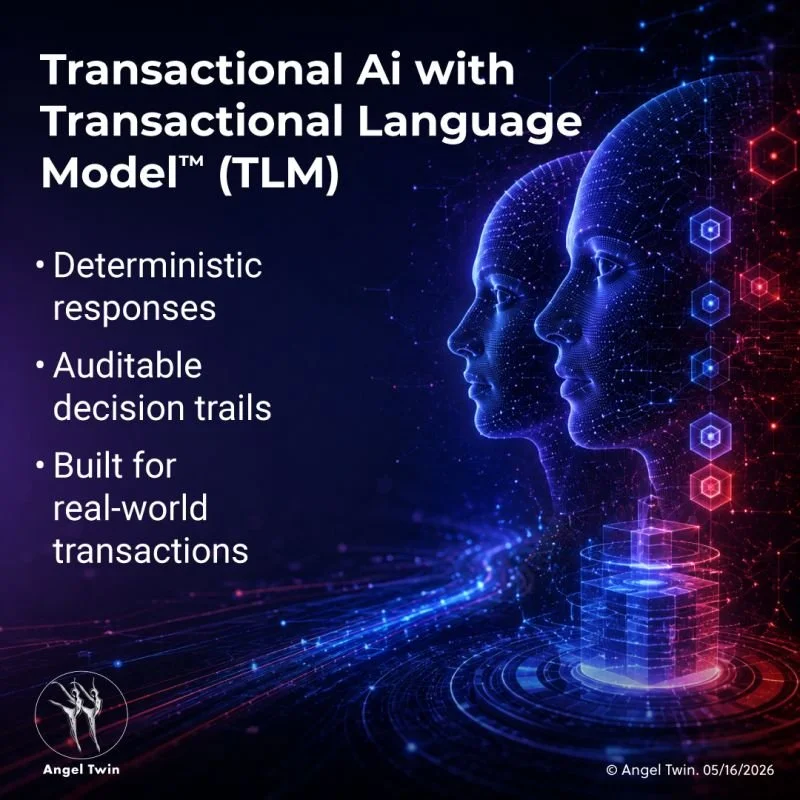
Angel Twin also reinforced the importance of trusted AI infrastructure. While many AI systems rely on guesswork, Angel Twin highlighted how TLM supports decisions that need consistency and traceability, positioning the platform for use cases where accuracy, reliability, and auditable outcomes matter.
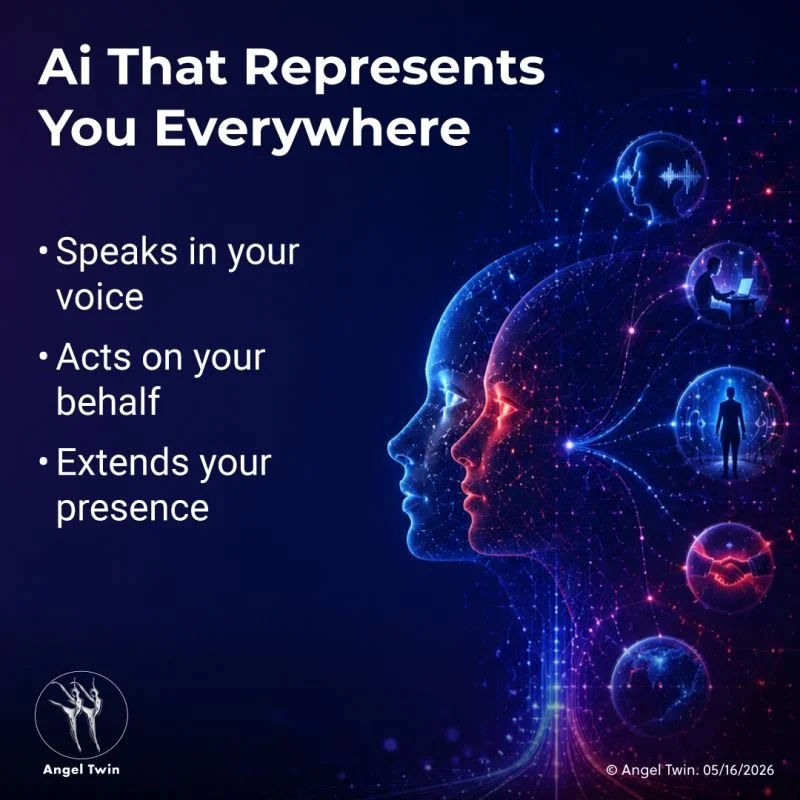
The week also expanded the idea of personal AI as more than a digital assistant. Angel Twin showed that users no longer only show up themselves because their Angel Twin can speak, decide, and move in their direction even when they are not physically present, turning personal AI into a form of digital replication.
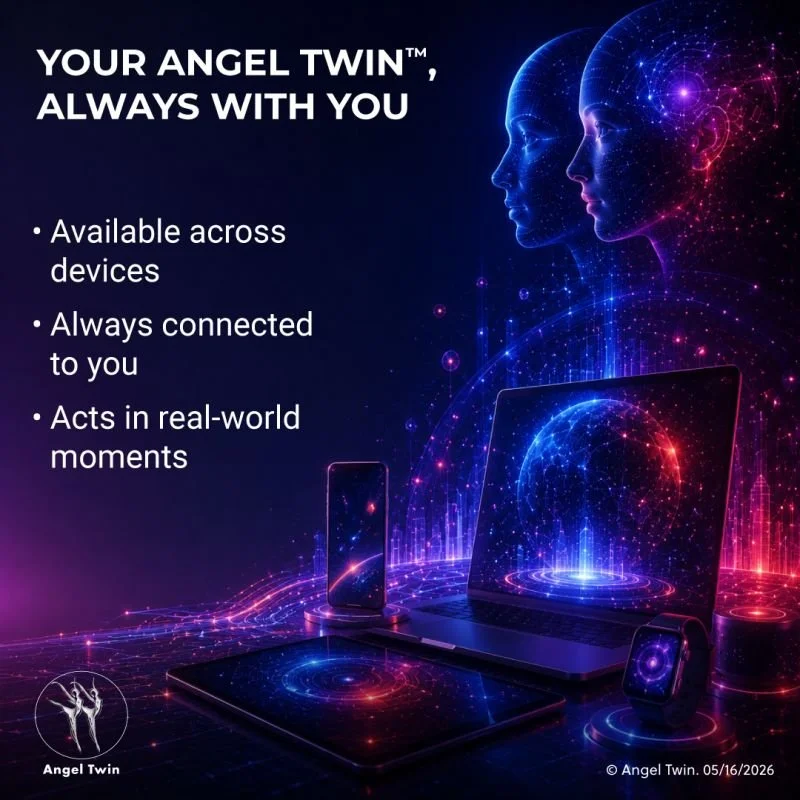
Angel Twin also emphasized everyday accessibility, explaining that an Angel Twin can move with the user across every device and moment so AI becomes part of daily life rather than a separate tool. This positioned the Twin as an always-connected system ready to act on the user’s behalf.
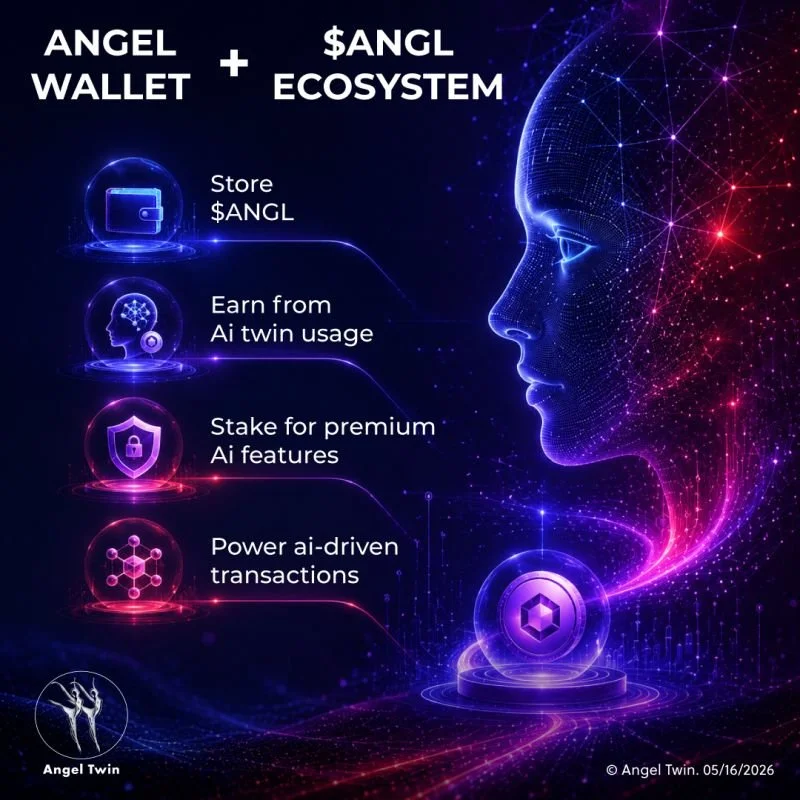
Finally, Angel Twin connected personal AI to economic activity, showing that an Angel Twin is not just intelligent, but economically active. With Angel Wallet, AI usage can turn into value that users can store, use, and grow inside the ecosystem, reinforcing the shift from automation to participation.
ANGL Token
ANGL Token powers the economic layer of the ecosystem by supporting AI ownership, utility, rewards, and blockchain-based value exchange.
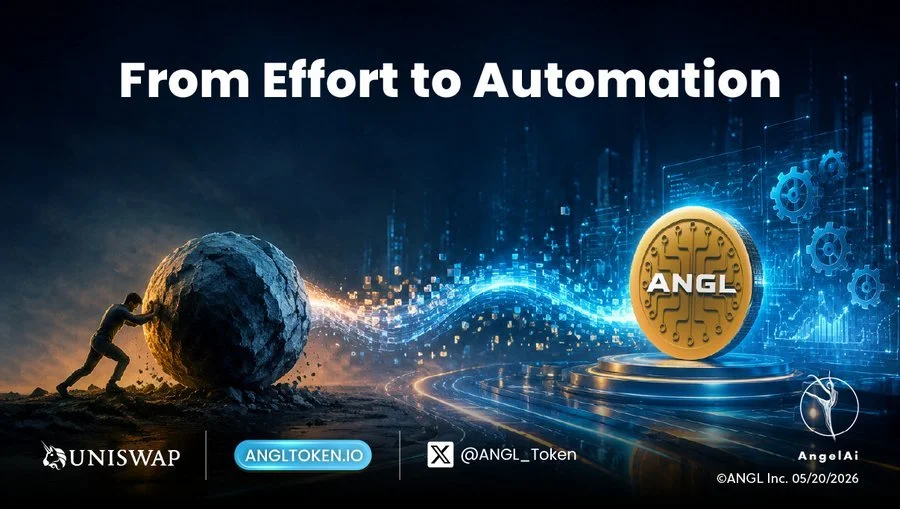
ANGL Token’s June 21–27 updates focused on scalable automation, privacy-preserving intelligence, persistent AI memory, AI-to-AI collaboration, and user-controlled digital assets. The week emphasized that growth should not depend only on manual effort, showing how $ANGL can help an Angel Twin automate engagement, workflows, and interactions so users can turn effort into scalable systems.
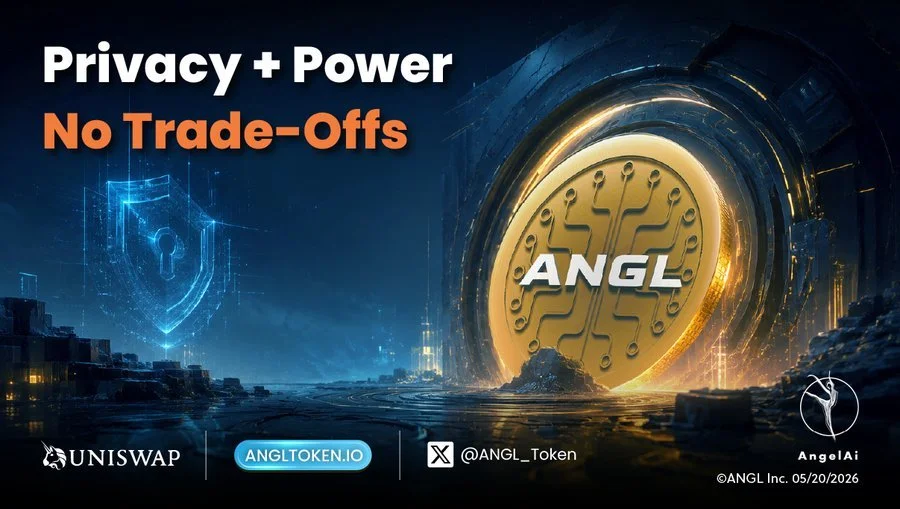
Privacy and performance were also central themes. ANGL highlighted that most platforms force users to choose between privacy and capability, while $ANGL supports a model where data stays secure in Twin Vault as the AI continues to learn, act, and generate value for the user.
The token also reinforced the importance of persistent memory in personal AI. Instead of losing knowledge over time, $ANGL enables an Angel Twin to build memory from real usage, becoming more relevant with every interaction and creating intelligence that does not reset.
ANGL also looked ahead to the next phase of AI interaction, where the future is not only human-to-AI, but AI-to-AI. With $ANGL, Angel Twins can interact, transact, and collaborate autonomously across a connected network, creating faster systems and smarter outcomes.
Finally, ANGL emphasized user control through Angel Wallet, showing how Angel Points and digital assets can be stored, managed, and transacted on the user’s terms. This reinforced the ecosystem’s focus on reducing middlemen, protecting user ownership, and giving individuals more direct control over the value their AI activity creates.
Closing Thoughts
The June 21–27 updates reflected a clear movement across the Dectec ecosystem toward AI that can act, learn, remember, and create value with greater autonomy. CHAINGE explored how agentic AI can help mortgage teams scale, why data ownership matters in the AI economy, how AI Twins should be trained, and why quantum computing may require more scalable systems to reach its next breakthrough. Angel Twin showed how personal AI can respond instantly, support trusted decision-making, replicate user presence, stay connected across daily life, and participate economically. ANGL Token connected those capabilities to automation, privacy, persistent memory, AI-to-AI collaboration, and user-controlled digital assets.
Together, these updates reinforce Dectec’s broader mission to help individuals and businesses move from simply using AI to owning, directing, and benefiting from it. As AI becomes more agentic, connected, and economically active, the Dectec ecosystem continues advancing a model where intelligence remains tied to user-controlled data, trusted execution, and real value creation.