The Dectec Download: Weekly Insights from the Dectec Ecosystem (June 7 - June 13)
Artificial intelligence continued shifting from passive software into active, personalized systems that can remember, respond, execute, and create measurable value. Across the Dectec ecosystem this week, partner updates focused on AI Twins, digital legacy, quantum computing, AGI, storytelling, mortgage automation, data ownership, tokenized rewards, and global AI participation. The broader theme was clear: the future of AI is not only about access to intelligence, but ownership, trust, and the ability to turn human knowledge into lasting economic value.
CHAINGE
At Dectec, we produce media for the CHAINGE channel, covering AI innovation, decentralized infrastructure, entrepreneurship, and the future of human-AI interaction.

CHAINGE’s June 7–June 13 updates focused on how emerging intelligence systems are beginning to reshape computing, memory, storytelling, AGI, mortgage workflows, and the future of work. Bill Inman’s AI Twin explored why quantum computing’s real breakthrough may depend on scalable, error-corrected machines, highlighting John Martinis’ perspective that quantum’s next major leap may require systems powerful and reliable enough to move beyond today’s limitations. CHAINGE also returned to the human side of personal AI as Bill Inman and Stacey Engle discussed how AI can preserve family stories, wisdom, and memories for future generations through trained vaults that allow loved ones to keep sharing their voices, experiences, and life lessons over time.
The week also examined the broader possibilities and risks of artificial general intelligence. Bill Inman’s AI Twin reacted to Dr. Ben Goertzel’s appearance on The Joe Rogan Experience, exploring how superhuman AI could challenge today’s assumptions about limits, resources, and what the future may make possible. CHAINGE also highlighted a more human-centered view of intelligence through Bill Inman’s conversation with Dr. Adel Elmessiry, where they discussed how storytelling shapes the way humans learn, connect, and share knowledge and how conversational AI may learn more effectively through lived experience and narrative context.
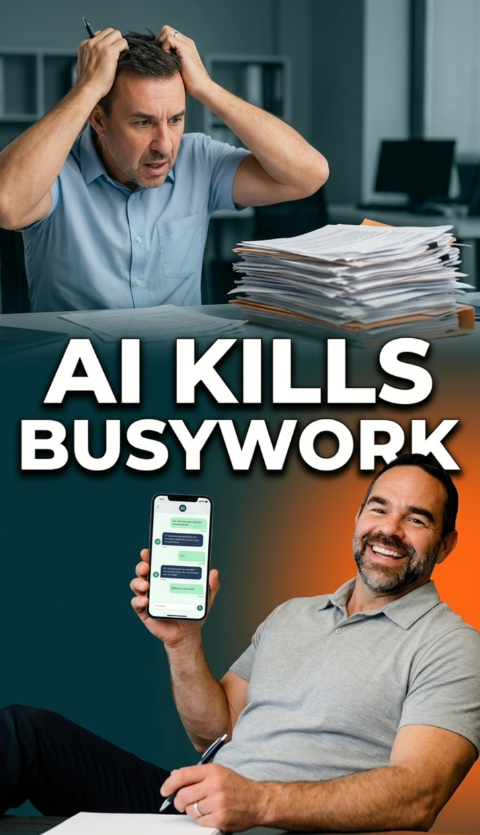
CHAINGE also explored the next stage of AI tools becoming more personal and representative of human workflows. In an AI Twin Reacts clip featuring Daniel Priestley, Bill Inman’s AI Twin raised the question of whether people are simply using AI tools or beginning to build digital versions of how they think, create, and work as AGI moves closer. The week also brought practical industry application back into focus as Bill Inman and Chuck La Flair discussed why AI adoption is becoming urgent in the mortgage industry, especially as loan officers look to offload administrative work, income calculations, and repetitive tasks so they can focus more on relationships, meetings, partnerships, and business growth.
Angel Twin
Angel Twin represents the application layer of personal AI, helping individuals and businesses create, own, and monetize AI Twins that extend their expertise, availability, and long-term value.
Angel Twin’s June 7–June 13 updates focused on ownership, specialization, accessibility, and business utility in the AI economy. The platform emphasized that an Angel Twin can specialize in anything the user knows, turning expertise in areas like real estate, recipes, business, or professional knowledge into value that people can access from anywhere.
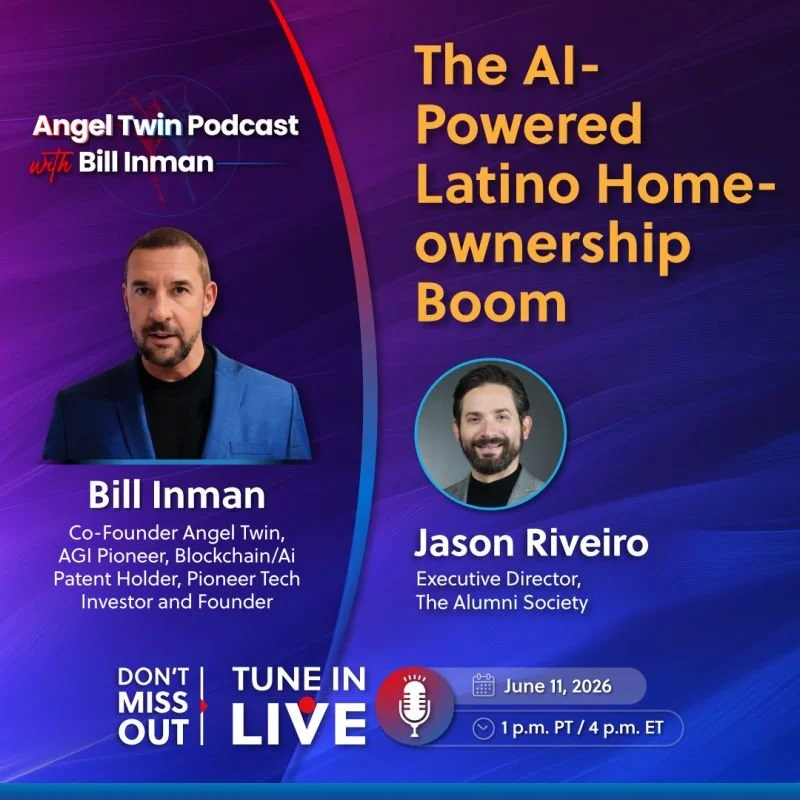
Angel Twin also highlighted a conversation between Bill Inman and Jason Riveiro focused on AI, financial inclusion, lending, blockchain, tokenization, and wealth creation, including the role Latinos are playing in homeownership growth and why culture matters in AI training and decision-making. The discussion connected personal AI to broader economic opportunity, especially for business leaders, entrepreneurs, investors, and real estate professionals.
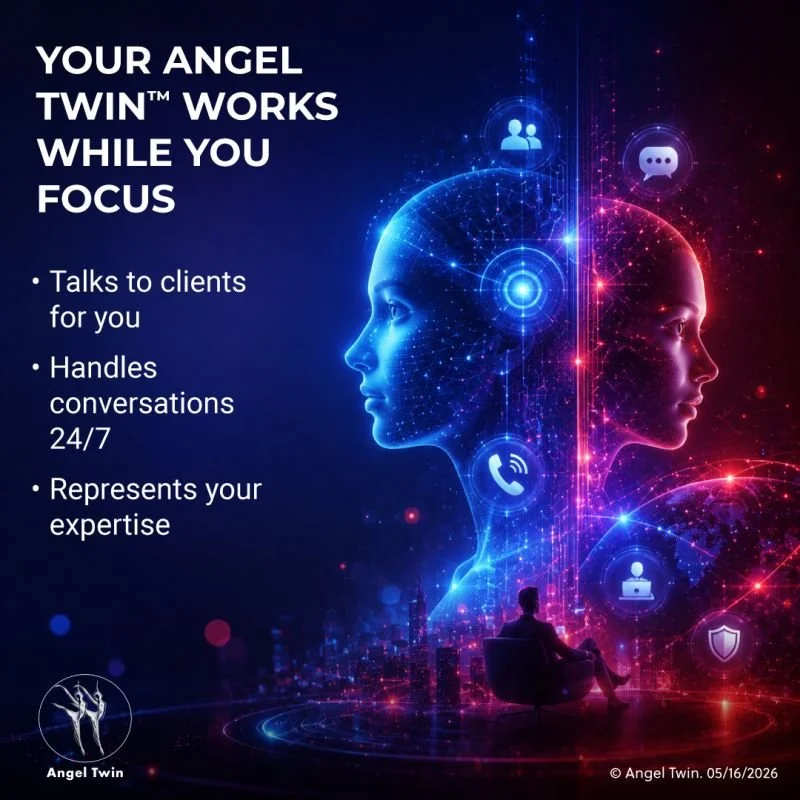
The platform continued reinforcing the always-on value of personal AI, showing how users do not need to be constantly available because an Angel Twin can handle conversations and keep work moving even when they step away. This positioned Angel Twin as a practical tool for scaling communication, engagement, and follow-through without requiring the user’s constant presence.
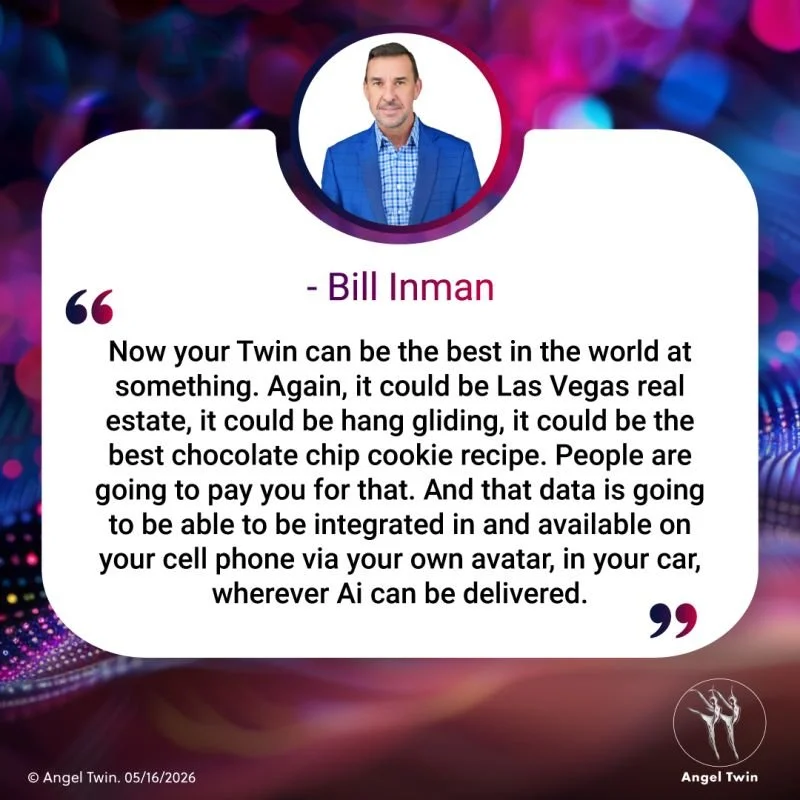
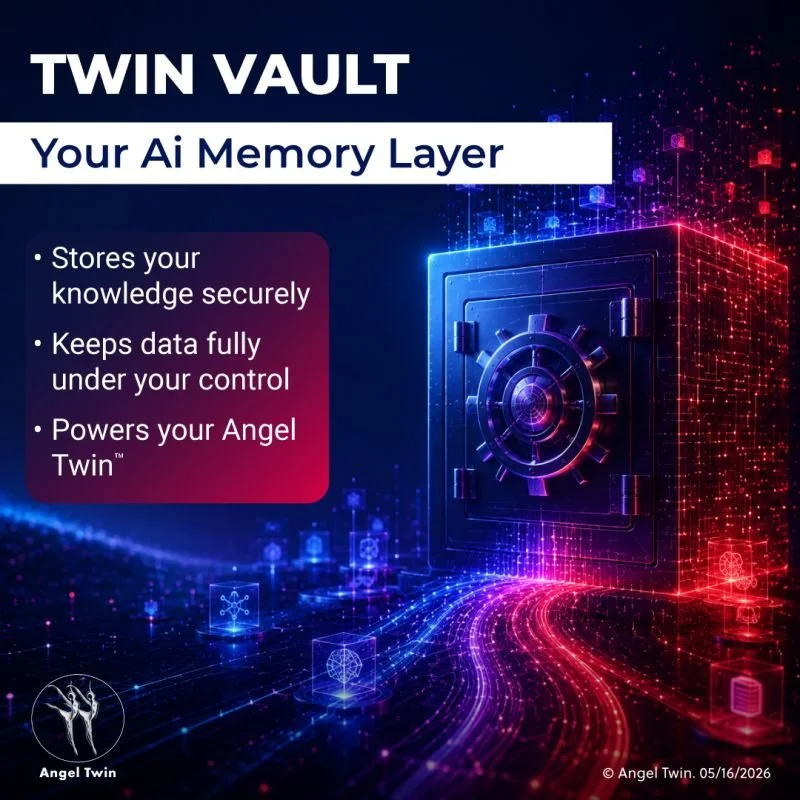
Data ownership remained a central theme, with Angel Twin emphasizing that a Twin is only as powerful as what it remembers and who controls it. Through Twin Vault, users can keep their knowledge secure, private, and fully owned, reinforcing the message that smarter AI begins with owned data. Angel Twin also tied this ownership layer to the broader AI economy, making the case that users gain an edge when they control their data, voice, and value rather than giving that value away to centralized platforms.
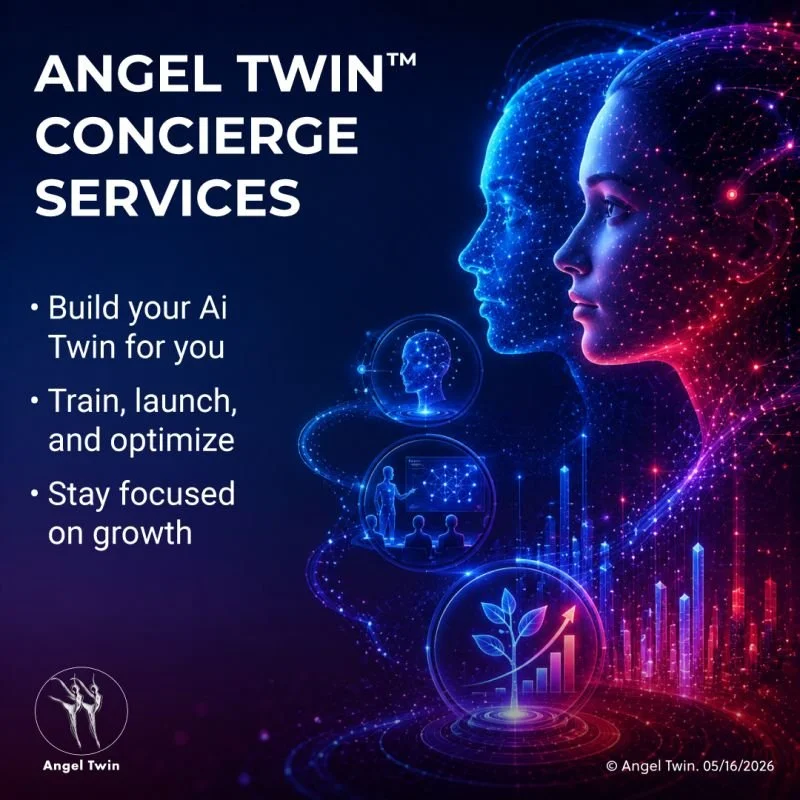
Finally, Angel Twin lowered the barrier to adoption by highlighting its Concierge service, where the team can set up, train, and optimize an Angel Twin for users who want to focus on growth while their Twin handles the rest.
ANGL Token
ANGL Token powers the economic layer of the ecosystem by supporting AI ownership, utility, rewards, and blockchain-based value exchange.
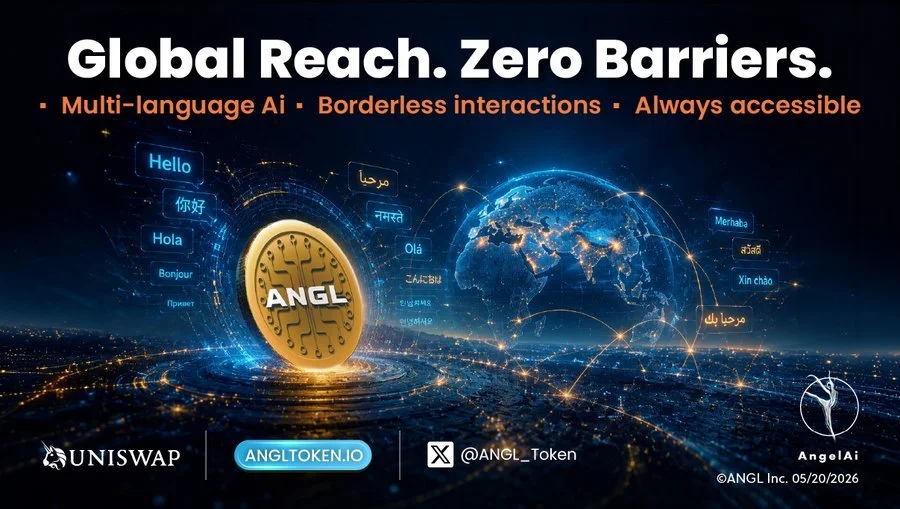
ANGL Token’s June 7–June 13 updates focused on expanding the value of personal AI through global access, tokenized rewards, real-world execution, and always-on engagement. The week highlighted how $ANGL can help an Angel Twin connect, communicate, and engage across borders, positioning personal AI as a tool for global reach that is not limited by language or location.
The token’s reward model was also a central theme, with ANGL showing how every interaction with an Angel Twin can create value through conversations, content, and engagement. Users can earn Angel Points as their AI works and later swap those points for $ANGL tokens, turning participation into a measurable part of the AI economy.
ANGL also emphasized the difference between AI that simply answers and AI that can execute. With $ANGL, Angel Twin and Angel Agent were positioned as systems built for real transactions, real workflows, and real outcomes, reinforcing the ecosystem’s focus on accountability, trust, and practical utility.
The week also highlighted how most digital platforms capture user engagement without returning value to the user. ANGL framed $ANGL as a way for an Angel Twin to transform interaction into a return for the user, creating a model where engagement compounds rather than being lost to centralized apps.
Finally, ANGL reinforced the always-on utility of personal AI, showing how an Angel Twin can handle conversations, support, and engagement 24/7 so work continues even when the user is not available. Together, these updates positioned $ANGL as a bridge between AI activity, user ownership, and measurable economic participation.
Closing Thoughts
The June 7–June 13 updates reflected a continued shift across the Dectec ecosystem toward AI that is more personal, more useful, and more directly connected to ownership. CHAINGE explored the future of intelligence through quantum computing, AGI, storytelling, digital legacy, and practical AI adoption in mortgage workflows. Angel Twin showed how personal AI can specialize, stay active, protect knowledge, and turn expertise into value. ANGL Token connected that activity to global reach, tokenized rewards, real transactions, and measurable participation in the AI economy.
Together, these updates reinforce Dectec’s broader mission: to help individuals and businesses move beyond simply using AI and toward owning, directing, and benefiting from it. As AI becomes more conversational, transactional, and autonomous, the Dectec ecosystem continues to advance a model where intelligence remains tied to human knowledge, user-controlled data, and real economic value.