The Dectec Download: Weekly Insights from the Dectec Ecosystem (May 24 - May 30, 2026)
Artificial intelligence continued moving from simple assistance into active collaboration this week, with AI agents, personal AI, decentralized data ownership, and blockchain-based utility becoming central themes across the Dectec ecosystem. From AI systems that can negotiate, coordinate, and transact on behalf of users to AI Twins that preserve knowledge, scale expertise, and generate value, the future of AI is increasingly focused on real-world utility, ownership, and human-centered design.
CHAINGE
At Dectec, we produce media for the CHAINGE channel, covering AI innovation, decentralized infrastructure, entrepreneurship, and the future of human-AI interaction.
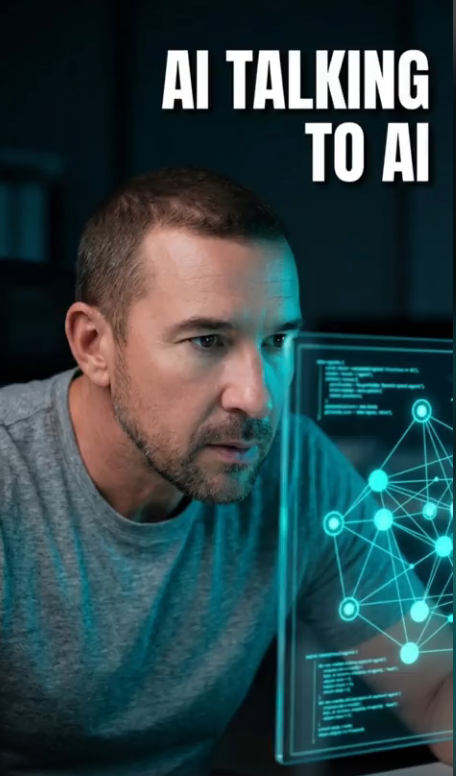
CHAINGE’s May 24–30 updates focused on the accelerating shift from AI as a tool to AI as an active collaborator, business proxy, and infrastructure layer for the future economy. A major theme was AI-to-AI communication, with Bill Inman exploring how AI systems may soon schedule meetings, interact with financial platforms, and negotiate on behalf of users while still needing to remain aligned with human values, truth, and agency.
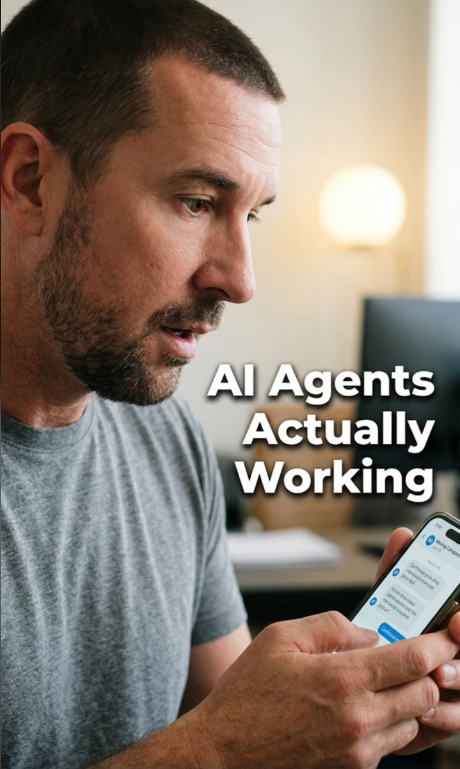
CHAINGE also highlighted the rise of AI agents that can complete real-world tasks, including Mo Gawdat’s example of an AI agent comparing vendors and negotiating a better deal, showing how automation is moving beyond answers and into action.
The channel continued exploring the human side of personal AI through Legacy Twins, where Bill Inman and Stacey Engle discussed how Twin Protocol can help preserve family wisdom, memories, and meaningful life lessons for future generations.

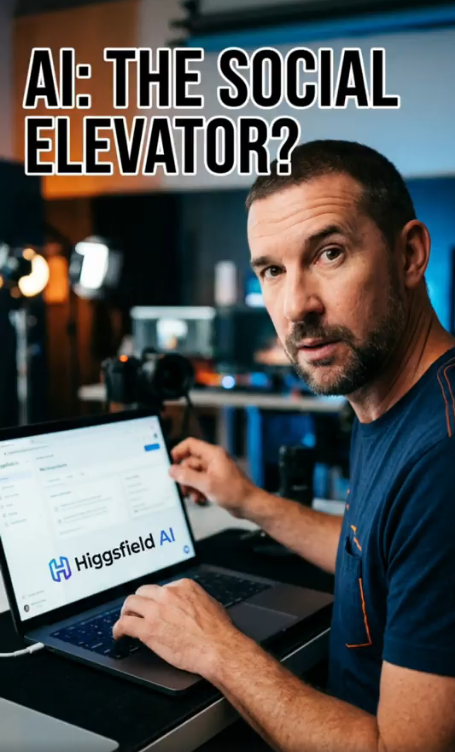
Entrepreneurship and accessibility remained central as Bill Inman’s AI Twin reacted to Alex Mashrabov’s view that AI could become the next “social elevator,” expanding opportunity for creators, developers, and entrepreneurs beyond traditional gatekeepers.
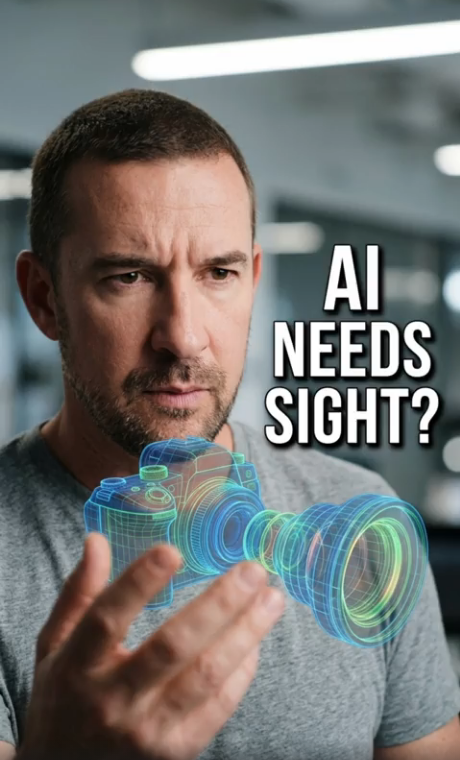
CHAINGE also examined the next frontier of AI development through visual understanding, world models, robotics, and AGI, with Bill Inman’s AI Twin reacting to Alex Mashrabov’s discussion on AI learning not only from words, but from the physical world.
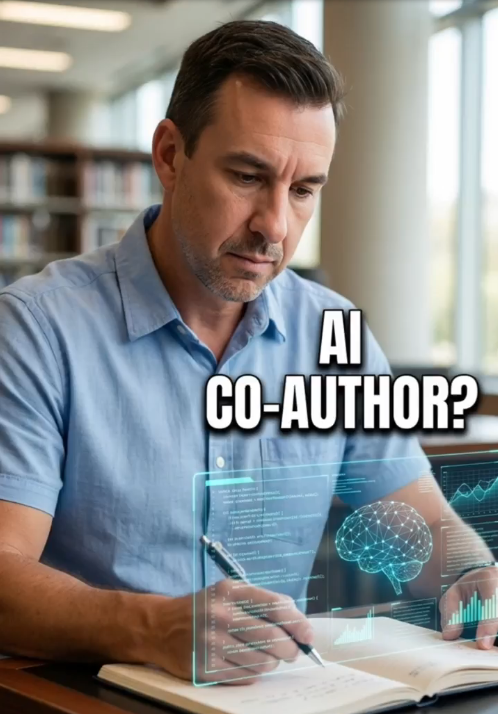
Finally, CHAINGE explored AI as a true collaborator rather than a simple tool, responding to Mo Gawdat’s perspective on how AI could amplify human creativity, intelligence, and problem-solving while raising the question of how people can learn to work with AI thoughtfully.
Twin Protocol
Twin Protocol serves as the decentralized infrastructure layer of the ecosystem, focused on AI twins, data ownership, and human-centered intelligence.
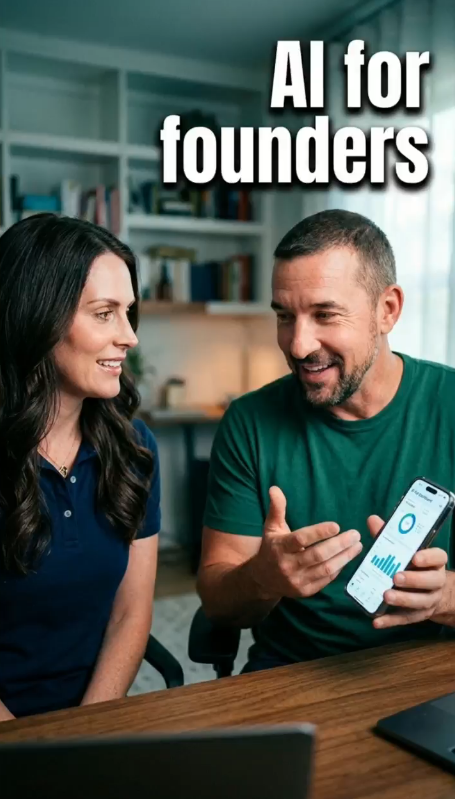
Twin Protocol’s May 24–30 update highlighted how AI is expanding who can participate in building the future, making it clear that the next wave of innovation will not be shaped by technical experts alone. In a podcast conversation with Bill Inman, Stacey Engle reflected on her journey from leadership development and coaching into AI, blockchain, robotics, and entrepreneurship, showing how non-technical leaders can bring valuable insight into emerging technology by understanding people, data, and the systems that shape human behavior.
The broader message reinforced Twin Protocol’s position that personal AI and decentralized infrastructure are not only technical innovations, but leadership opportunities. As AI becomes more accessible, Twin Protocol continues to show that the future of AI will be built by people who can connect human experience, digital ownership, and responsible innovation.
Angel Twin
Angel Twin represents the application layer of personal AI, helping individuals and businesses create, own, and monetize AI Twins that extend their presence, expertise, and operations.
Angel Twin’s May 24–30 updates focused on turning personal AI into a practical business asset that can engage audiences, support operations, protect data, and generate measurable value. The platform emphasized that an Angel Twin works in the background while users focus on what matters most, helping them engage, inform, build trust, and create opportunities anytime.
Data ownership remained a core theme, with Angel Twin reinforcing that user information should work for the individual, not the web, by capturing data in the user’s wallet and powering an AI Twin that learns and grows through every client interaction.
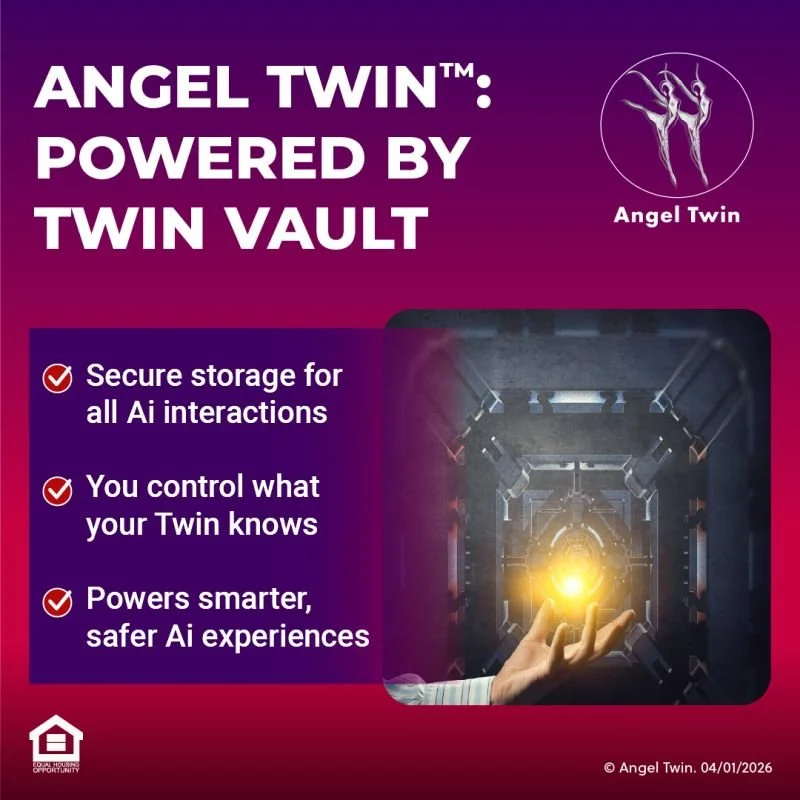
Angel Twin also positioned Twin Vault as the secure foundation for personal AI, keeping conversations, files, media, and knowledge organized, protected, and under user control while allowing the Twin to become smarter over time.
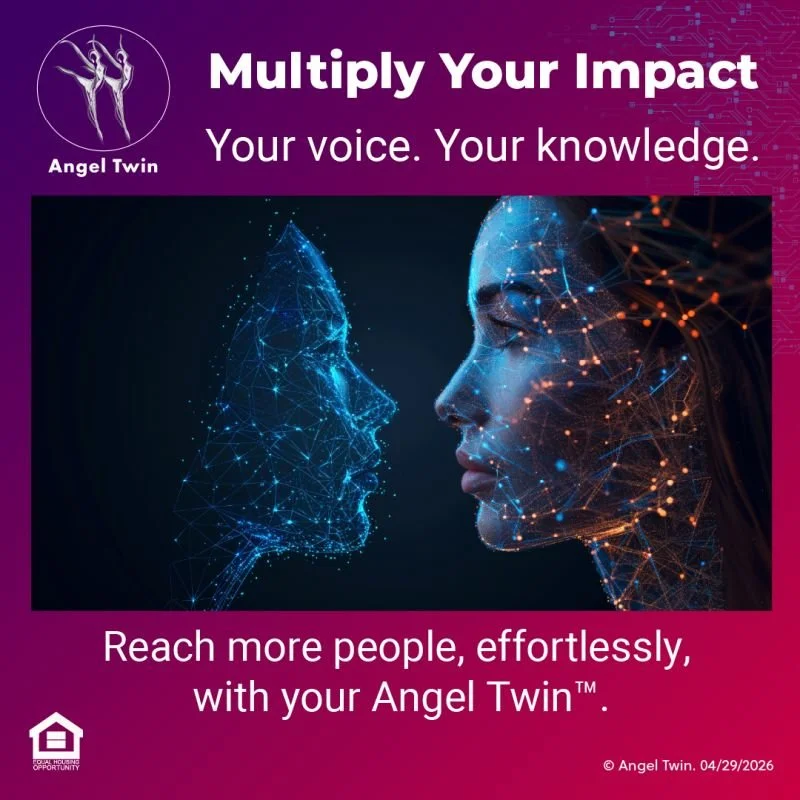
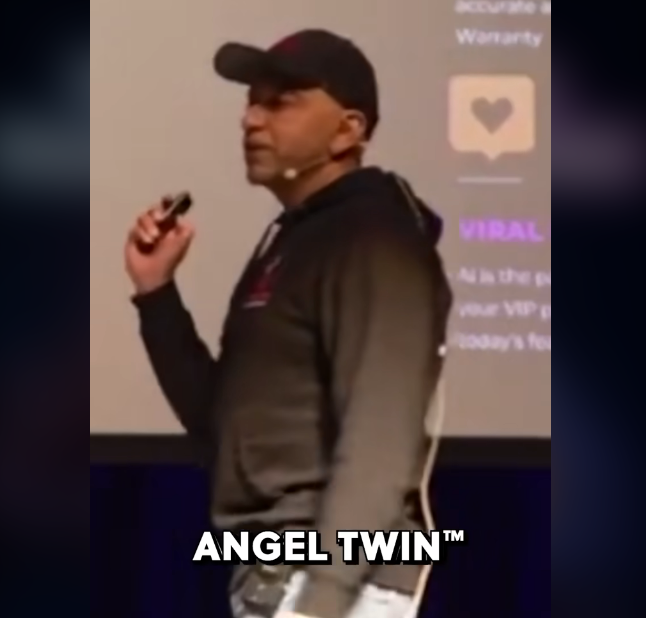
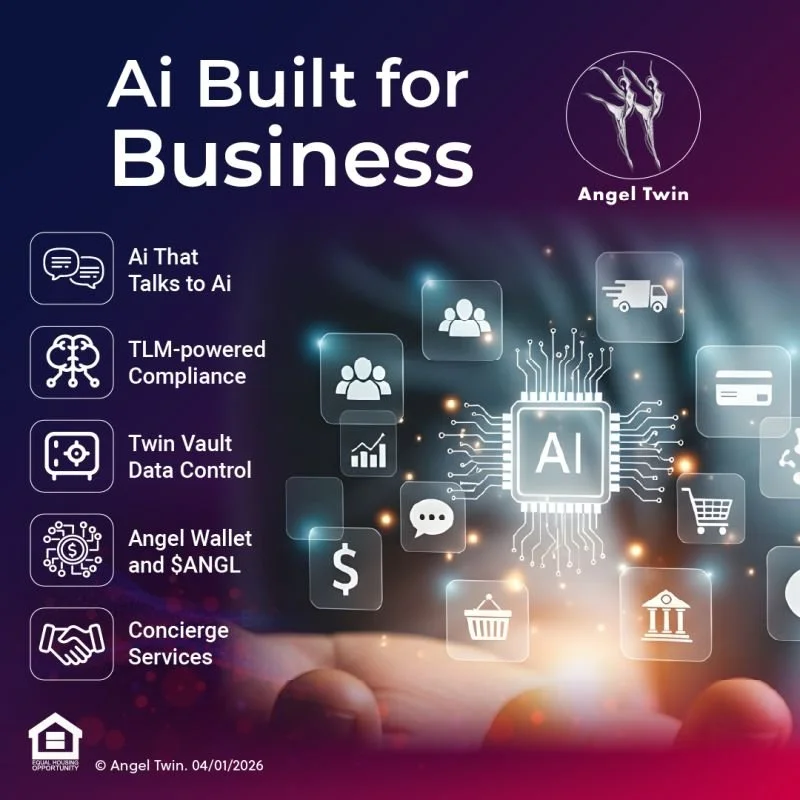
For business users, Angel Twin highlighted real operational utility, showing how AI Twins can connect workflows, support compliance, automate onboarding, assist internal agents, and create smarter ways to engage and grow across an organization.
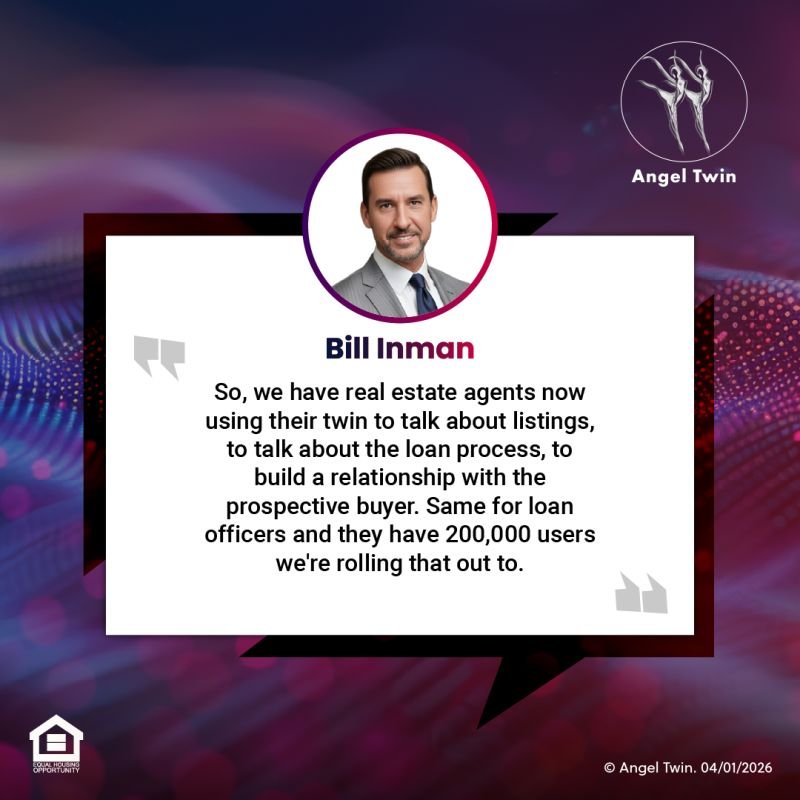
The platform also emphasized industry traction, noting that real estate agents and loan officers are already using Angel Twin to engage prospects, explain listings, and guide clients through the loan process as part of a rollout reaching 200,000 users.
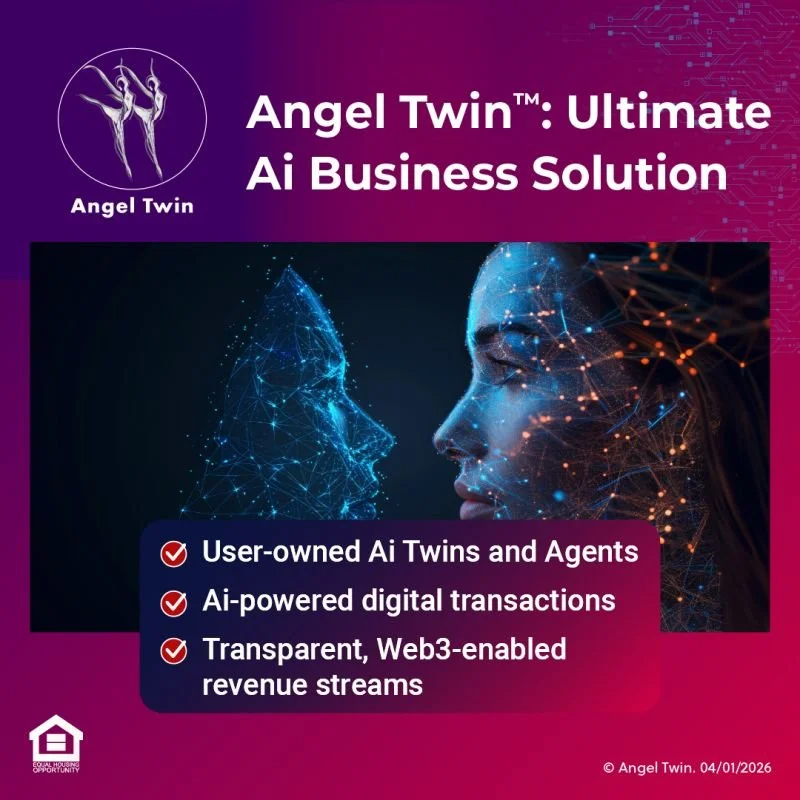
Finally, Angel Twin framed personal AI as a revenue-generating growth engine, helping users turn expertise into a full-time digital presence, automate engagement, create content, and unlock new revenue streams through user-owned Twins, AI-driven transactions, and a Web3 financial ecosystem.
ANGL Token
ANGL Token powers the economic layer of the ecosystem by supporting AI ownership, utility, rewards, and blockchain-based value exchange.
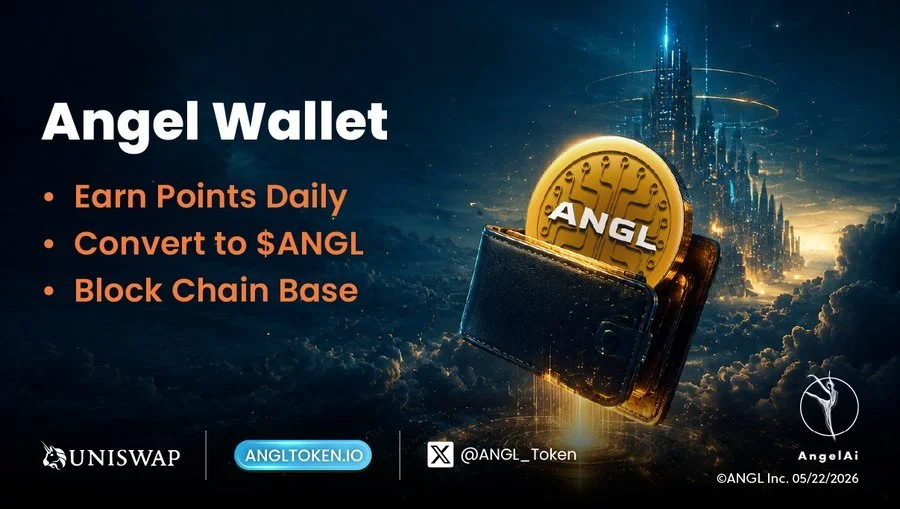
ANGL Token’s May 24–30 updates focused on making participation in the AI economy more rewarding, traceable, and utility-driven. A major theme was the connection between everyday engagement and ownership, with users earning Angel Points through logins, referrals, and interactions that can later convert into $ANGL tokens secured in their decentralized Angel Wallet.
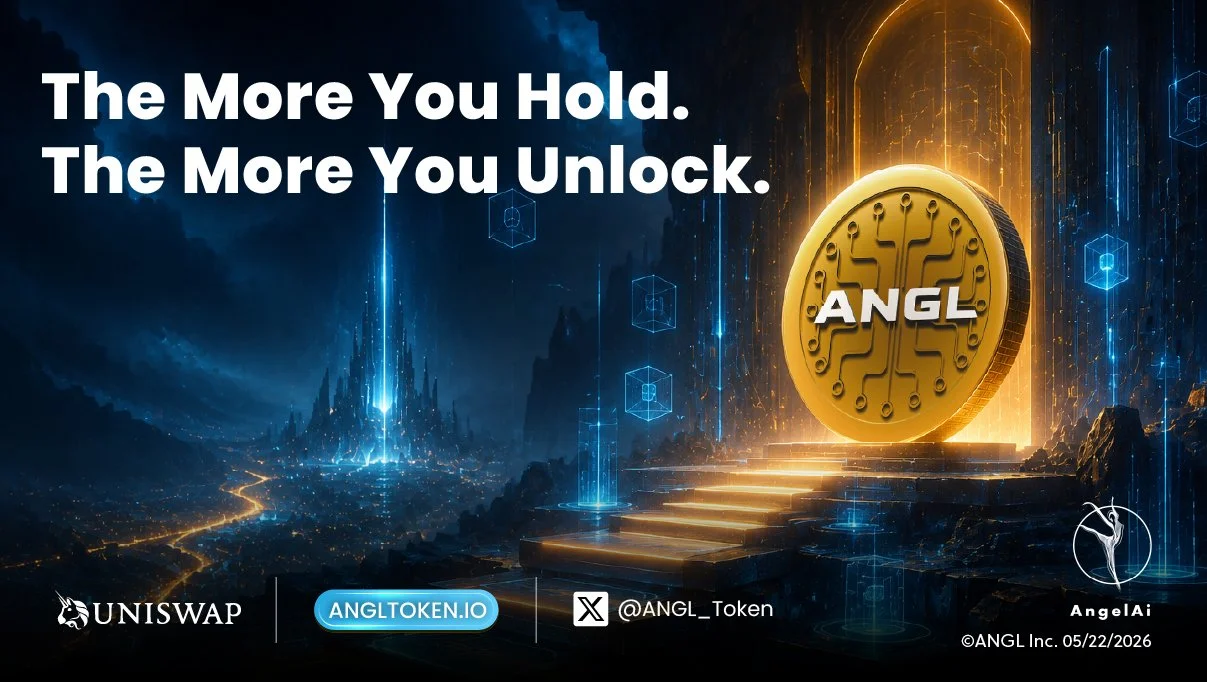
The updates also emphasized that holding $ANGL is not only about ownership, but access to deeper AI utility, including premium AI tools, expanded Twin memory, higher-fidelity avatars, and early feature releases that make a user’s AI experience more powerful over time.
ANGL also highlighted community-driven growth, showing how referrals and new Angel Twin creation can reward users automatically while strengthening the broader ecosystem.
Finally,the token’s utility was tied to trust and traceability through AngelAi’s Transactional Language Model, which was presented as deterministic AI designed to make decisions that are repeatable, auditable, and reliable for higher-stakes use cases.
Closing Thoughts
The May 24–30 updates reflected a clear shift across the Dectec ecosystem: AI is becoming more active, more personal, and more economically useful. CHAINGE explored how AI agents, collaborators, and world models could reshape the future of work and innovation. Twin Protocol reinforced that AI leadership will come from people who understand human systems as much as technical systems. Angel Twin showed how personal AI can become a business asset that works continuously while keeping data ownership at the center. ANGL Token connected that activity to rewards, utility, and blockchain-based value exchange.
Together, these updates reflect Dectec’s broader mission: to build a future where AI is not simply used, but owned, directed, and monetized by the people it represents. Through media, infrastructure, applications, and tokenized utility, Dectec continues advancing a human-centered model for decentralized AI, where individuals and businesses can scale their expertise, protect their data, and participate directly in the value created by intelligent systems.